A NEW British Invasion revival is on the horizon and the front runners are from North Staffordshire!!!
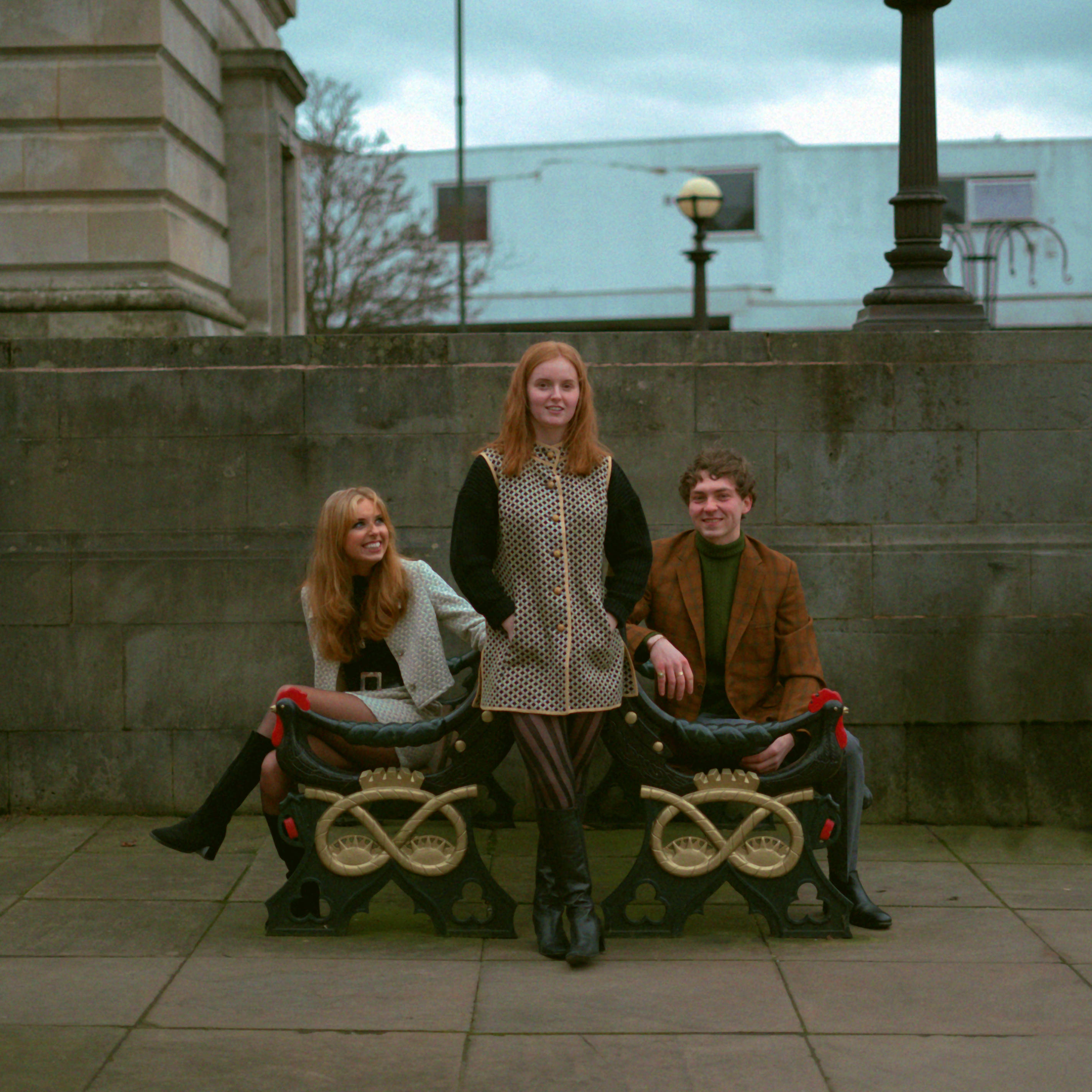
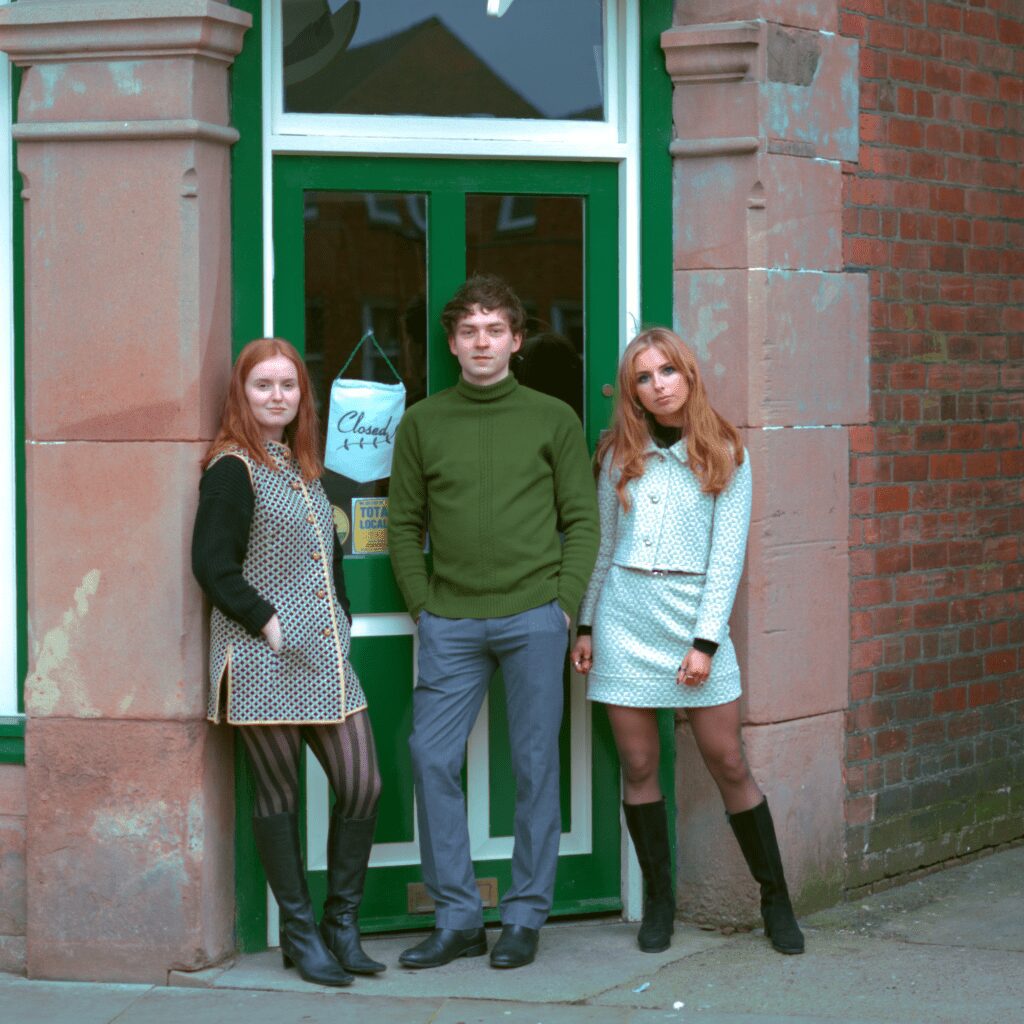
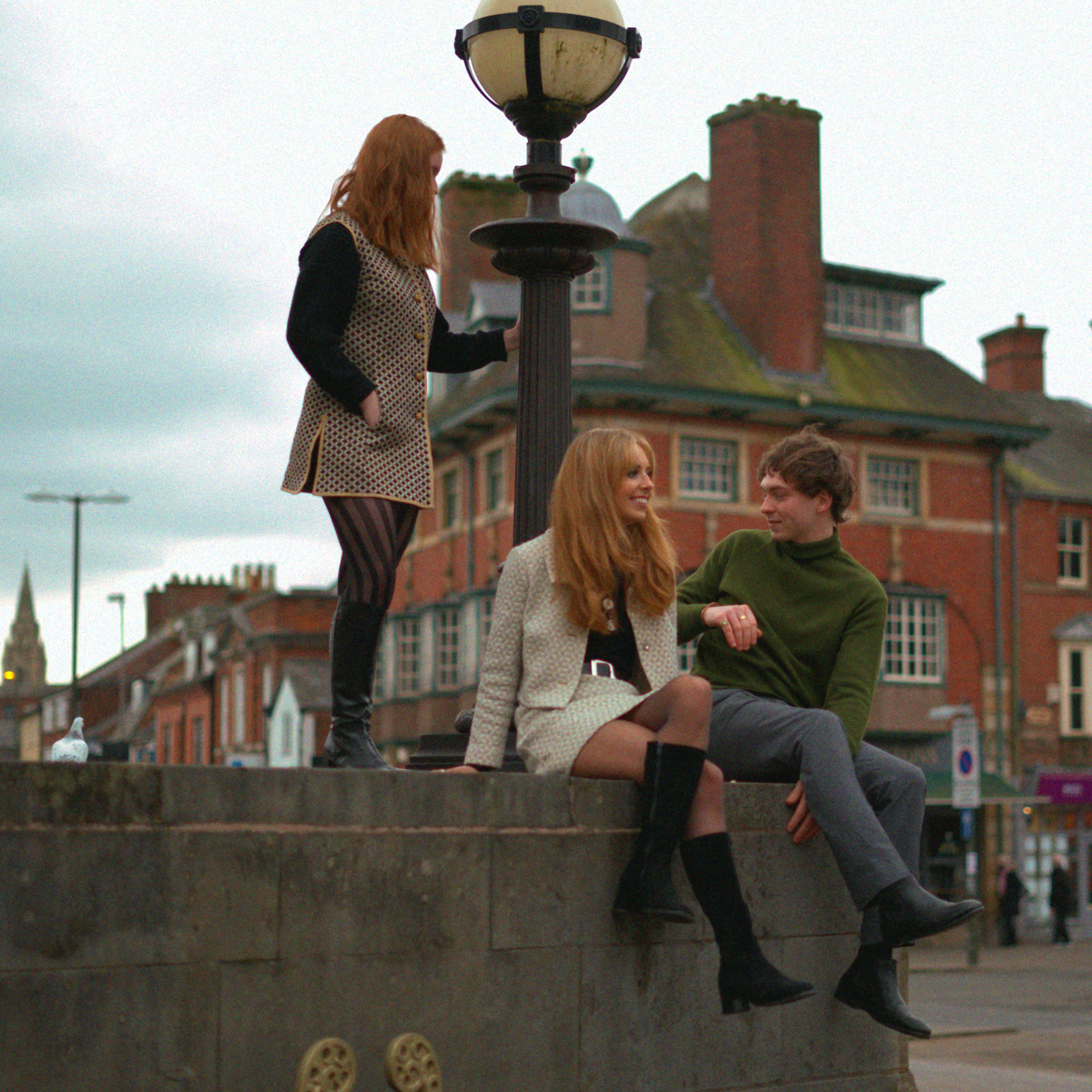
It’s a real treat when a band send us an email with quality music attached. That was the case when authentic fresh sounding 60’s freakbeat band Sawel Underground got in touch with us. Whilst other bands inspired by the golden age of music focus their sound on psychedelia & hard rock, Sawel are hastily gaining attention for their take on the gritty British Rhythm & Blues and Freakbeat scene that have largely been left unexplored in recent waves of the vintage revival. I envision a very bright future for them as they continue to test the limits and evolve their sound.
They felt that the music of North Staffordshire could oppose indie music stylistically, and sound more how the city and surrounding towns look and feel to them. Harsh and derelict, but colourful with a sense of daydreaming fantasy, much like the music of the 60s counterculture in England and America, forming one of the most genuine vintage sounds within the new waves of retro renaissance. It was essential for me to find out more about them in an interview so please read on.
Tell us about the yourself, the bands beginnings and the ethos and inspiration behind your formation?
Tristan: The origins of Sawel Underground begin as my taste in music continuously regressed earlier and earlier into the scenes of the 20th century. As I had brief infatuations with Post-Punk, Punk Rock and eventually Krautrock, it was when my dad introduced me to tracks such as ‘I’m Waiting For The Man’ (The Velvet Underground), Slip Inside This House (The 13th Floor Elevators), ‘The Last Time’ (The Rolling Stones) and ‘Up In Her Room’ (The Seeds) towards the end of my teenage years that detonated a sudden desire to learn how to sing, play guitar and produce music.
Despite no prior training or knowledge of any of these things, Sawel Underground was the name of my solo project to create experimental Rock & Roll music with flirtations into the sound of 60s psychedelia, and a lyrical base rooted into my long standing love of ancient British magic, poetry and folk song.
A good friend of mine asked me to come with him to a gig at The Underground in Stoke as he was friends with the singer of the band and said he was a great musician. I came along to find this incredibly noisy, screaming punk band with whaling lyrics about road kill which wasn’t really my thing anymore, but I was utterly captivated by the friend of a friend who was the frontman of the band. His frantic but complex guitar playing and wild look in his eyes was truly a spectacle to behold. After seeing them for a second or third time at The Sugarmill in Stoke, we bonded over our interest in Industrial music and the occult, which led me to ask if he was interested in playing guitar for my project, and so Matt joined and Sawel Underground had started to become a band.
Your previous release “Hundred – Sunned Dream” takes inspiration from the sounds of psychedelic-folk with your latest release “Pass On By” moving towards a more swinging 60s garage sound. Can you give us an insight into the music that inspires the bands sound?
Matthew: The first 60s band that I remember really getting into that Tristan showed me when we were first becoming friends, was Index. Our first release was actually planned to be a cover of ‘Israeli Blues’ but with our own lyrics on the track, so Index had a huge influence on our sound and direction in the beginning.
Alex: As a band we’re very heavily influenced by the ‘Garage’ sound of the 60s: Tintern Abbey, The Elevators, Blue Things, The Eyes, The Third Bardo, The Syn… anything that has that snarly Rickenbacker sound.
Tristan: I think we’re also quite unique in that for a modern band, we’re inspired by almost all of the scenes that were happening in the 60s and wear them all on our sleeves. We want songs to replicate our own style whilst being influenced by the Beat scene, 60s pop music, the folk revival and all of the other happenings as well as the more popular psychedelic and hard rock music that you can hear in modern retro-sounding bands.
Melody or lyrics first, what’s your songwriting process and where do you find inspiration from?
Tristan: Well I have a collection of lyrics and passages that I keep until I come up with a melody, and then attribute what I think will match the sound of what I’m writing normally. Most of my inspiration for writing lyrics comes from ancient texts or folk song and predominantly from the British Isles.
Our new single Pass On By, is actually thematically based on an unnamed Middle English poem about passing to the other side from the 1300s and somewhat emulates the lyrical style and rhythm in which it is naturally read. But with some snarly vocals and 60s phrases it gives it a Velvet Underground type of attitude!
During some live sets I actually sing my own translation of some of the words in the last verse:
‘When it’s all to late
My soul by the gate
I care not a thing
For this world I am in’
Which has the danger of sounding depressing! But actually, it spoke to me about being young and willing to sacrifice everything for a good time on the intoxicated weekends I spent as a teenager watching live bands in Hanley, which is why we chose to use 60s footage of The Place in Stoke.
Alex: Well I always start with the riff first *laughing* and desperately try to remember the French phrases I was taught at school and try to put something together!
Tristan: That was much more rock & roll than my answer…
Alex: I think I sound better in French so I like to compose my songs in another language so people can’t detect my accent *laughing* but I’m very inspired by the Yè-yè and the Euro-psych scenes with some favourites being Françoise Hardy, Jacqueline Taieb and Jacques Dutronc. Most of my writings are about aspects of nature. There are a lot of metaphors in nature that relate to our lives which I like to explore in my compositions.
Matthew: I suppose my role in writing for Sawel songs has normally been building on Tristan’s initial song ideas and experimenting with riffs that I think will work as well as adding my own flavour to the lyrics.
Tristan: Apart from the invaluable ideas and perspectives on our music, Matt normally comes along half way through writing a song and adds the musical flair and talent that I don’t think I’ll ever have in my locker, so we compliment each other really well in that aspect.
The bands first release was a cover of The Troggs Classic “Wild Thing”. Why did you choose that song as your first release and was it important to put your own spin on it?
Tristan: I’m a huge Troggs fan! I must have just been listening to Wild Thing at the time, and it was the first time we started recording without using any digital effects so we were just experimenting with recording techniques and learning how to record really, and we liked the idea of our first release being a cover like most 60s bands did.
Matt: Looking back at it, we definitely found an appeal to add our own spin onto the original with the big empty spaces and pauses lending itself to the ideas we had to explore a psychedelic sound.
Tristan: Yeah, even though the production quality was rather poor as it was our first real attempt at recording music, the ideas and experimentation have definitely helped to shape what we are really.
There is clear inspiration from 60s counterculture in regard to the bands style and image. Why is that era of significant importance to you as a band?
Matt: With 60s music pretty much being introduced to me wholly by Tristan, it was a bit of a culture shock to realise that a decade I had kind of ignored, heavily influenced a lot of what I was listening to at the time. The more I researched the music and history of the decade the more I became fascinated by it.
Tristan: Before I became interested in the 60s, my style and interests would often wain and change after a short period and it was only when I started to try and copy the fashion of the different scenes in 60s Britain and America did I most feel at home in the scene I was involved in. And that is also true for the attitudes of the youth and counter culture at the time of doing what you want, when you want as long as it isn’t harming anybody. The fashion of the British Mod scene in the 60s massively appealed to me as the concept of not wearing trainers and looking prim and proper at all times whilst having strange coloured stripes around your roll neck was such a new and appealing world to be thrown into that not many people our age are too bothered about, and that was a big thing for me too.
Alex: I agree, I think the 1960s really allowed a lot of room for freedom of expression and that’s so important for all aspects of creativity. It was an era of innovation. It was a mind-expanding decade in terms of music, art, culture, fashion, politics… There were so many new and fresh ideas for inspiration everywhere, whether that be from progressive aspects of liberation and personal freedoms or highly political conflicts like Vietnam… the concoction of cultural shake-ups that occurred in just that one decade made the era a melting-pot for creativity to prosper, for feelings of anger and love to be fully explored and for more voices to be heard. I think those cultural shifts contributed to the music that came out at the time. In the music world people were searching for new experimental ways to record and write music, resulting in the inception of the most vibrant set of sounds that bands today like ourselves are desperately trying to recreate in our own way. Goodness me if anyone finds Austin Powers’ time machine do let me know as I want to go back and experience it all first hand!